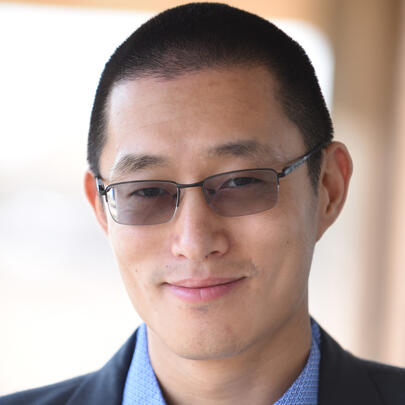
Joseph Dowd
Philosophy Lecturer at CSU San Bernardino
Author, Introduction to Asian Philosophy
Primary texts and analytic clarity in plain English
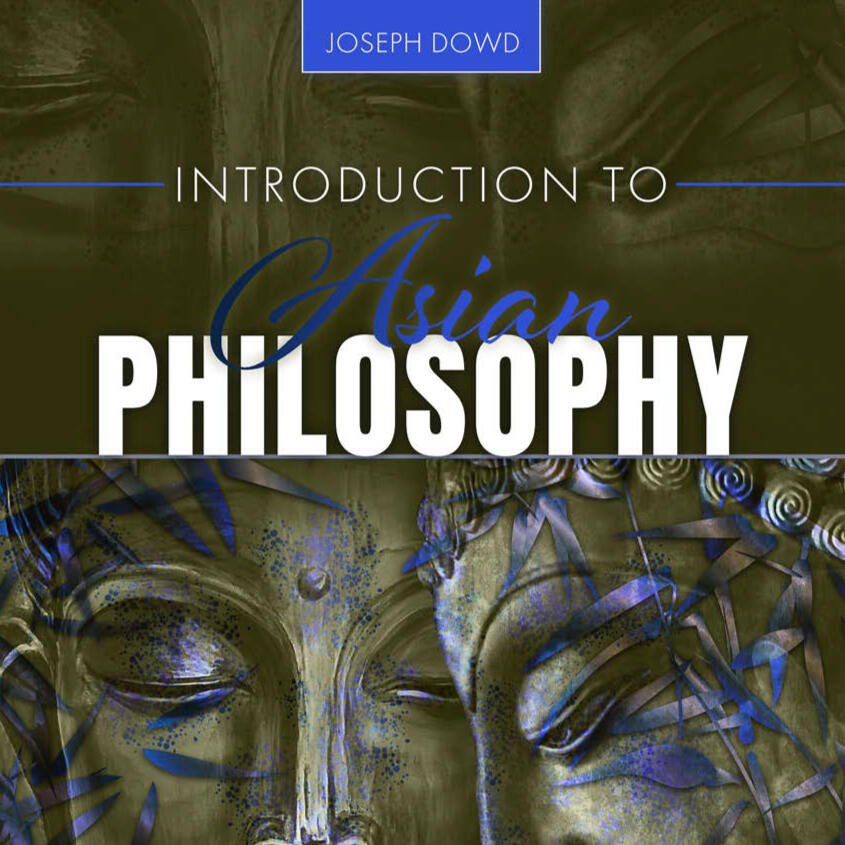
Primary texts. Analytic clarity. Plain English.
A course-ready introduction to East and South Asian philosophy. Arguments reconstructed and analyzed. Primary sources integrated throughout. Simple, transparent English.

Transparent translation. Authentic commentary.
The Dao De Jing (Tao Te Ching) with a commentary written by the great 3rd-century philosopher Wang Bi. Lean, crisp translation. Includes the Chinese text and a translation guide for close study.
Free Sample Pack
Table of contents
2 pages on Daoism
2 pages on the Buddhist philosopher Nāgārjuna
2 pages on Yoga
Suggested essay assignments
Want more free resources and updates on my projects? Join my mailing list below.
For Instructors
Without sacrificing accuracy, Introduction to Asian Philosophy makes classical Chinese, traditional Buddhist, and classical Hindu philosophy accessible to undergraduates and philosophy instructors of all backgrounds and skill levels. A thorough familiarity with this book's contents will enable any instructor trained in academic philosophy to teach an introductory-level course on East and South Asian philosophy.
Includes:
Primary sources with commentary
Pronunciation guides
Chapter quizzes*
Suggested essay assignments
*Instructors who purchase the book for their courses will receive answer keys.
Get the Book
Introduction to Asian Philosophy (3rd edition, 2024) is available from Kendall Hunt Publishing Company.
Frequently Asked Questions
Q: Is this book suitable for non-specialists and first-time students?
A: Yes! This book is designed to be useful to any philosophy instructor and accessible to any college-level student.
Q: What traditions are covered?
A: Classical (pre-Qin) Chinese philosophy, early Buddhist philosophy, the Madhyamaka and Yogācāra schools of Mahāyāna Buddhism, and the six classical schools (darśanas) of Hindu philosophy. Knowledge of these traditions can serve as a foundation for understanding later Asian philosophical traditions, such as Chan/Zen.
Q: Where do the primary source translations come from?
A: I translated all primary source passages included in the 3rd edition, striving for both literal accuracy and readability. The book cites the primary source editions that I used when translating.